Article content

Denis Kryukov
7 min read
Not all residential proxy networks are built the same way. Some rely on users who knowingly opt in and can withdraw consent; others may be built from devices enrolled without their owners’ knowledge. This article compares ethically and unethically sourced proxies side by side, explains why the difference matters for buyers, and shows how to verify a provider’s sourcing claims before you trust them.
Ethically vs. unethically sourced proxies: the short answer
The difference is consent. Ethically sourced proxies use IP addresses from people who knowingly opted in and can opt out; unethically sourced proxies use devices enrolled without their owners’ knowledge through malware, hidden app bundling, or outright botnets. Everything else (your legal exposure, reliability, reputation) follows from that one distinction.
| Criteria | Ethically sourced proxies | Unethically sourced proxies |
|---|---|---|
| Consent | The device owner knowingly opts in, understands how their connection may be used, and can withdraw consent. | No meaningful consent; the device owner is unaware their IP address is part of a proxy network. |
| How IPs are obtained | Through opt-in SDKs, bandwidth-sharing apps with clear rewards, or datacenter IPs from licensed hosting providers. | Through malware, trojanized apps, hidden SDK bundling, botnets, or other non-consensual methods. |
| Transparency | The sourcing model is published, documented, and explainable. The provider can share details on request. | The sourcing model is vague or hidden, often described only as “real users worldwide” with no further detail. |
| Proof you can check | Independent assessments, recognized certifications, KYC policies, sourcing documentation, and clear opt-out paths. | No audits, no certificates, no sourcing documentation, or evasive answers about where the IPs come from. |
| Legal and reputational risk | Lower and more defensible, because the provider can show consent, compliance controls, and customer vetting. | Higher, because buyers may inherit exposure if the network is abused, investigated, seized, or linked to hijacked devices. |
| Stability | A maintained and monitored proxy pool with clear participation rules and abuse controls. | An unstable pool that is more likely to be flagged, blacklisted, disrupted, or taken down. |
What “ethically sourced” actually means
In an ethically sourced proxy network, the device owner knows what they are joining. They install an app or software that clearly explains that part of their unused bandwidth may be shared, they receive something in return, and they can opt out if they no longer want to participate. The key point is not only that the user agreed once, but that consent is informed, visible, and reversible.
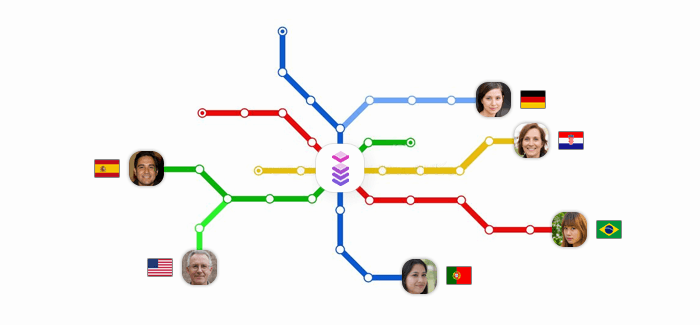
This model is common in opt-in SDKs and bandwidth-sharing apps, where the network operator works with app publishers or users directly. A legitimate provider should also be able to explain how the SDK works, what users are told, how opt-out is handled, and what controls are in place to prevent abuse.
Ethical sourcing is not limited to residential proxies, either. Datacenter proxies can also be ethically sourced when the IPs come from licensed hosting providers and are used under clear commercial terms. In both cases, the buyer should be able to trace the supply back to a lawful, documented source.
What “unethically sourced” looks like
Unethically sourced proxies are built without meaningful consent from the people whose devices and IP addresses are being used. Instead of an informed opt-in, devices may be enrolled through malware, trojanized apps, hidden SDK bundling, or botnet infrastructure. To the buyer, the result may still look like a large residential proxy pool. To the device owner, it can mean that someone else’s traffic is quietly being routed through their home connection.
The NetNut takedown shows why this distinction matters. In July 2026, Google said it had coordinated with the FBI, Lumen, and others to disrupt the alleged NetNut/Popa residential proxy network. Google estimated that the network included at least 2 million devices and said the operation significantly reduced the available pool of devices used by the proxy operator.
That is the risk with non-consensual sourcing: the network can disappear overnight, the IPs can be linked to abuse, and buyers may find themselves connected to an investigation or takedown they had no visibility into. For proxy customers, sourcing is not a background detail. It is part of the risk profile of the product they are buying.
If the NetNut takedown has you reassessing your proxy vendor, see how Infatica compares as a NetNut alternative, with documented sourcing, KYC controls, and trust materials you can review.
Why it matters to you as the buyer
Proxy sourcing is not solely a provider-side issue. If you buy access to a proxy network, you also inherit part of that network’s risk profile. The IPs may sit outside your infrastructure, but your traffic, your accounts, your customer data workflows, and your brand are still tied to how those IPs were obtained.
The first risk is legal and compliance exposure. Residential proxies are not illegal by default, and many legitimate use cases depend on them. The problem starts when the IPs come from devices that were enrolled without meaningful consent. If a network is later connected to malware, hidden SDK bundling, or botnet activity, buyers can be pulled into questions they may not be ready to answer: who supplied the IPs, what consent was collected, what activity was routed through the network, and what due diligence was done before procurement?
The second risk is blacklisting. Unethically sourced networks are more likely to contain unstable, abused, or suspicious IPs because they are not built through clear participation rules. That can lead to more blocked requests, higher CAPTCHA rates, inconsistent geo-targeting, and sudden drops in success rates. In practical terms, a cheap proxy pool can become expensive if your team spends extra time retrying failed jobs, rotating vendors, or explaining why a data pipeline stopped working.
The third risk is reputational. If a provider’s network is disrupted, seized, or publicly linked to hijacked devices, its customers may not be named in the investigation, but they can still face internal scrutiny. Security, legal, and procurement teams may ask why the provider was approved, what evidence supported its sourcing claims, and whether the business depended on infrastructure it could not verify.
How to tell which one you’re buying
To vet a proxy provider, start with the sourcing model. The provider should be able to explain where its residential IPs come from in plain language. Are users joining through an opt-in app or SDK? Are they told that their bandwidth may be shared? Do they receive something in return? Can they opt out later? If the answer is vague, or if the provider only says it has “real users worldwide” without explaining how those users joined, treat that as a red flag.
Next, look for documentation. Ethical sourcing should not live only in a sales deck. A credible provider should publish clear information about its sourcing model, user consent, customer verification, acceptable use rules, and privacy practices. They may not expose every operational detail publicly, but they should give buyers enough information to understand the network and enough documentation for legal, security, or procurement teams to review.
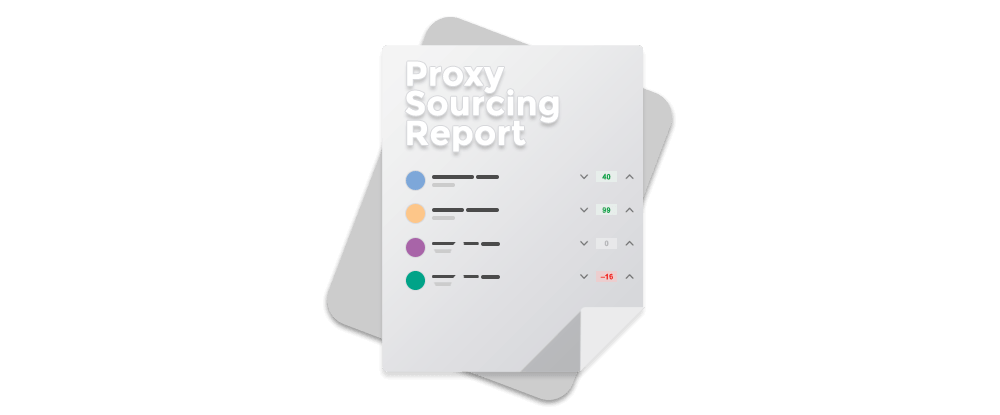
Third, check for independent proof. Real signals include third-party assessments of the sourcing SDK, recognized security and privacy certifications, a documented KYC process, and clear policies for customer vetting and abuse prevention. These do not make a provider risk-free, but they show that the claim has structure behind it. By contrast, a provider with no assessments, no certificates, no KYC policy, and no sourcing documentation is asking you to take its word on faith.
Price can also be a signal. Residential proxy networks are expensive to build and maintain responsibly because users, app partners, infrastructure, compliance checks, monitoring, and support all have real costs. If a provider offers residential IPs at prices that look implausibly low compared with the market, ask how that supply is being obtained and sustained.
Verification checklist
Use this checklist when reviewing a residential proxy provider:
- Ask where the IPs come from. The provider should explain the sourcing model clearly, not hide behind generic phrases like “real users” or “global residential network.”
- Check how consent works. Users should be informed, able to opt in knowingly, and able to opt out later.
- Look for third-party proof. Independent assessments, ISO certifications, and documented compliance processes are stronger signals than self-written claims.
- Review the KYC process. A responsible proxy provider should verify customers and intended use cases before giving access to the network.
- Read the acceptable use policy. Clear restrictions and abuse controls show that the provider is actively protecting the network.
- Be cautious with unusually low prices. If the economics seem unrealistic, ask how the network is sourced, maintained, and monitored.
- Watch for evasive answers. If sales or support teams cannot explain sourcing, ownership, assessments, or opt-out paths, that is a warning sign.
The difference between ethical and unethical sourcing only matters if you can verify which one you’re getting. Infatica publishes its sourcing, independent assessments, certifications, and KYC policy in its Trust Center, so you don’t have to take the word ‘ethical’ on faith.
If your team uses residential proxies for web data workflows, sourcing should be part of the provider review, not an afterthought.
Frequently Asked Questions
It means the IP addresses come from people who gave informed consent: they opted in (usually via an app or SDK), understand their connection is being shared, are compensated, and can opt out. It also covers datacenter IPs obtained from licensed hosting. The defining feature is consent, not the proxy type.
Residential proxies aren’t illegal in themselves, but routing your traffic through non-consensually sourced IPs (for example, a malware botnet) exposes you to legal and reputational risk. The sourcing is the problem, not the tool. Confirm specifics for your jurisdiction.
Look for independent assessments, recognized certifications, a KYC policy, and specific published sourcing documentation, not just the word “ethical.” Treat vague claims, missing certificates, and suspiciously cheap residential IPs as red flags.